
Richmond County Court Record Requests
Match the request to the court named on the docket, notice, or earlier filing. Hattie Sullivan is Clerk of Superior, State & Juvenile Court. Her office holds Superior felony files along with civil and domestic cases. It also keeps State Court misdemeanors, traffic files, and Juvenile records. Civil Court and Magistrate Court papers go to their own clerk in Suite 1400. Estates, wills, and guardianships belong to Probate Court in Suite 1000. A request that goes nowhere may simply be at the wrong counter. That is not proof that no Richmond County court record exists.
- Identify the court, case number, party name, and approximate filing date.
- Review the Augusta Case Management Search landing page for an online docket lead.
- Call the proper clerk before a visit or mail request, especially when the online record is incomplete.
- Name each filed document and request a plain, certified, or exemplified copy.
- Confirm the fee, payment form, delivery method, and any access restriction with that custodian.
The county's own search landing cautions that web results are not certified. The page it points to has been offline. Treat anything online as a locator. It is not the record itself. For an in-person request, bring printed documents to the Clerk's main office in Suite 1500. The address is 735 James Brown Boulevard, Augusta, Georgia 30901. Call 706-821-2460, Monday through Friday, 8:30 a.m. to 5 p.m. Phone menus route felony, misdemeanor, civil, domestic, and Juvenile questions to the right desk.
Three Richmond Record Forms
Know the difference between three products. A docket or calendar is the event index. It lists settings, filings, and status in time order. The filed document is the actual pleading, motion, order, judgment, exhibit, or transcript behind one of those entries. A certified copy is a reproduction the clerk authenticates for official use. A screen print from the Richmond County case-management landing is not a certified copy.
- Docket
- The dated sequence of events and settings in a case.
- Filed document
- The actual paper or electronic item named by a docket entry.
- Certified copy
- A clerk-authenticated copy, ordered from the office that holds the original file.
Name the exact product you want. "The whole case" invites delay or a high estimate, while an order dated on a known day is easy to pull. If a docket entry mentions a transcript, go through the court reporter rather than assuming the clerk's copy desk has it.
Kinds of Court Records
Each court keeps records within its own jurisdiction. Superior Court holds the broad civil docket and every felony case. State Court takes misdemeanors and traffic matters. It also hears civil actions outside Superior's reserved fields. Civil and Magistrate Courts maintain their own claims, dispossessory, garnishment, and warrant records. Probate keeps estate, will, guardianship, conservatorship, marriage-license, and weapons-permit files. Juvenile records carry distinct access limits.
- Case dockets, calendars, and filed-event lists
- Complaints, petitions, answers, motions, and notices
- Signed orders, judgments, pleas, and dispositions
- Probate wills, letters, and estate proceedings
- Transcripts supplied through the court reporter’s process
The clerk's forms index links to civil, domestic, mediation, dismissal, and attorney-access material. A form helps you name a filing, but completing one does not make it public. Clerk staff explain procedure and cost; the official office page notes they cannot give legal advice.
Richmond Probate Court Record Requests
The Probate Estate Research Record Request Form is the clearest documented mail-copy route in Richmond County. It asks for the estate number and estate name. Date of death and requester contact details go on the form too. It also asks whether the request comes by mail or in person. Choices include Letters Testamentary, Letters of Administration, and guardianship letters. A will, the full proceeding, or another named item can be requested too.
Mail requests need a self-addressed stamped envelope and a money order. That field-by-field design shows why a precise Richmond County court record request beats a broad name search. Probate can match an estate number to a decedent. It can also calculate research and page charges. Plain, certified, and exemplified copies stay separate. "Exemplified" is a higher form of authentication than an ordinary certified copy.
Probate sits at 735 James Brown Boulevard, Suite 1000, Augusta, GA 30901, reachable at 706-821-2434. Rules for filing original papers may differ from rules for copies. The Probate filing page names TrueFiling for electronic filings. Even so, an e-filing system is not a public record search.
Court Records: What They Contain
Tie one unique case number to one specific event. That is the mark of a strong Richmond County court record request. Published criminal calendar examples use codes like 2026RCCR00509; other courts follow their own patterns. Across the docket and the documents you may see party names, counsel, the charge or claim, filing dates, settings, courtroom, judge, and disposition. Some fields can be redacted or withheld.
| Case Number | The court’s unique identifier and best search key. |
|---|---|
| Pleadings | Petitions, complaints, answers, motions, and responses filed by parties. |
| Orders & Judgments | Signed rulings and final outcomes when publicly accessible. |
| Docket Sheet | The chronological index of filings, hearings, and case status. |
| Exhibits | Attachments or evidence, subject to sealing, redaction, and custody rules. |
Not every docket row links to a downloadable image. Older Richmond County court records may sit in paper holdings or an earlier case-management layer. The county publishes no retention schedule or digitization date. Ask the relevant clerk about archived holdings and retrieval time.
Richmond Open Records Misroute
The Augusta Open Records page works well for city and consolidated-government records. It expressly excludes court files from Superior, State, Juvenile, and Probate Courts. Send a Richmond County court record request to the citywide NextRequest queue. It just lands in the wrong place. Divorces, case documents, deeds, and liens have a different home. They go to the appropriate Clerk. Wills and Probate letters go to Probate Court.
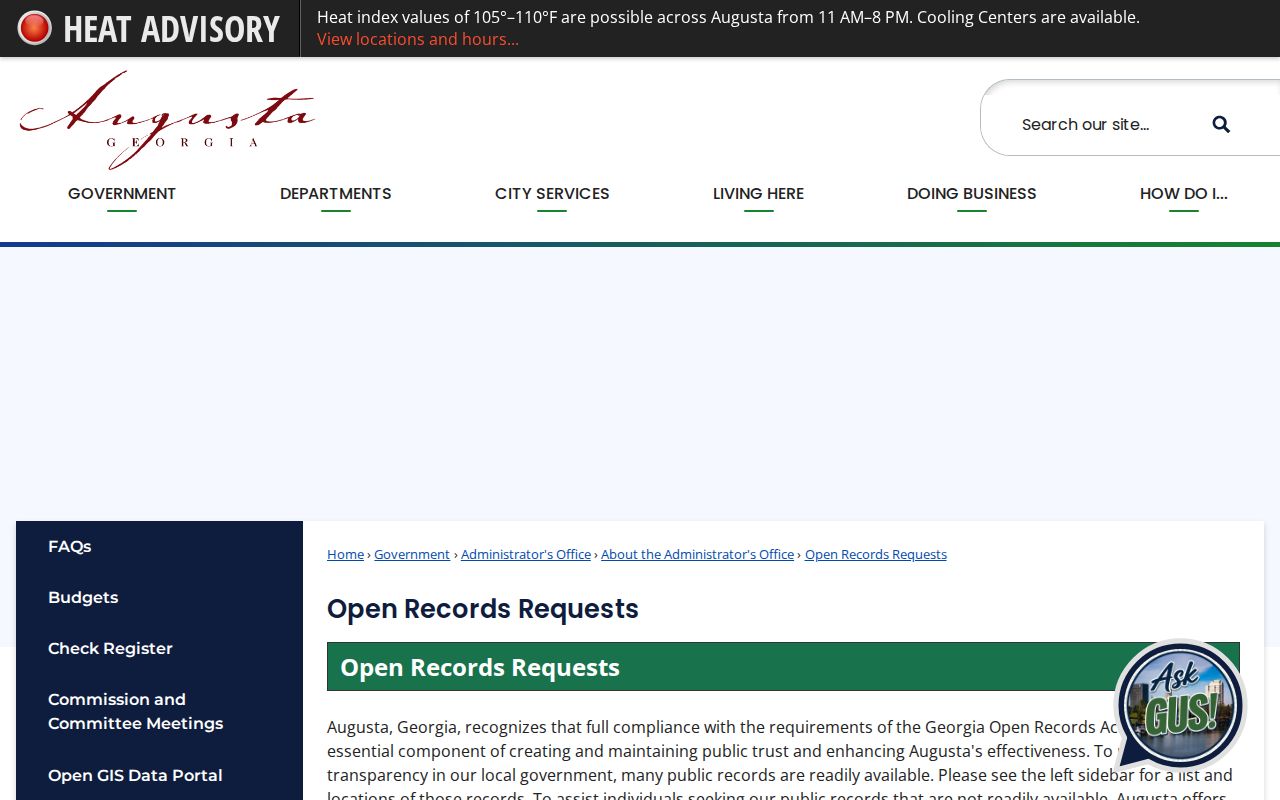
Two sets of rules govern what you can get. Georgia’s Open Records Act, O.C.G.A. § 50-18-70 et seq., controls many agency records and fee practices. Court files are different. They answer to court rules and confidentiality law. A city portal cannot override a seal, a Juvenile restriction, or the clerk’s custodial role over the court docket.
Copy Fees and Certification
Richmond Probate posts its copy charges, but do not apply them to every clerk. Its estate form sets a plain copy at $1 per page. A certified copy runs $10 plus $1 for each page after the first. An exemplified copy costs $15 plus $1 for each page after the first. Estates also carry a $10 research fee per estate. The marriage-record page is separate. It lists a $10 research charge plus $10 for each certified marriage copy. The Civil and Magistrate schedule is different. It covers filing and service costs, not a general copy price for court records.
| Probate Item | Published Amount |
|---|---|
| Plain estate copy | $1 per page |
| Certified estate copy | $10 plus $1 per page after page one |
| Exemplified estate copy | $15 plus $1 per page after page one |
| Estate research | $10 per estate |
Clerk of Superior, State & Juvenile Court
735 James Brown Boulevard, Suite 1500
Augusta, GA 30901
706-821-2460
Ask three things before you pay. Is certification attached per document? Does a search fee apply? Which payment forms does the office take? The certified copy should come from the clerk who keeps that case, and fees can change. The office’s current quote controls.
Federal Records Outside Richmond Clerks
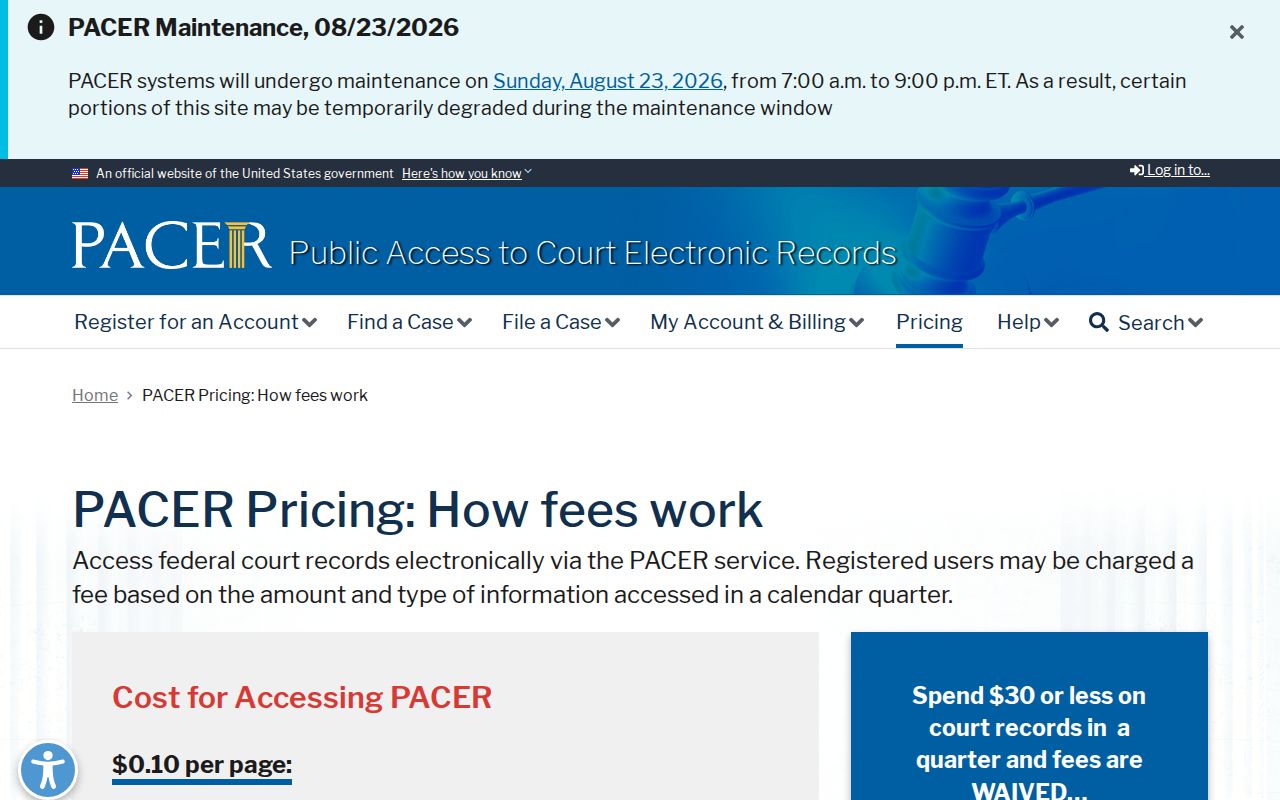
Federal matters that come out of Richmond County never turn into Richmond County court case records. They belong to a different system. The Southern District of Georgia handles them, along with its Bankruptcy Court, PACER, and CM/ECF. PACER’s official pricing page listed a per-page fee, a document cap, and a quarterly waiver threshold in August 2026. Federal pricing can change.
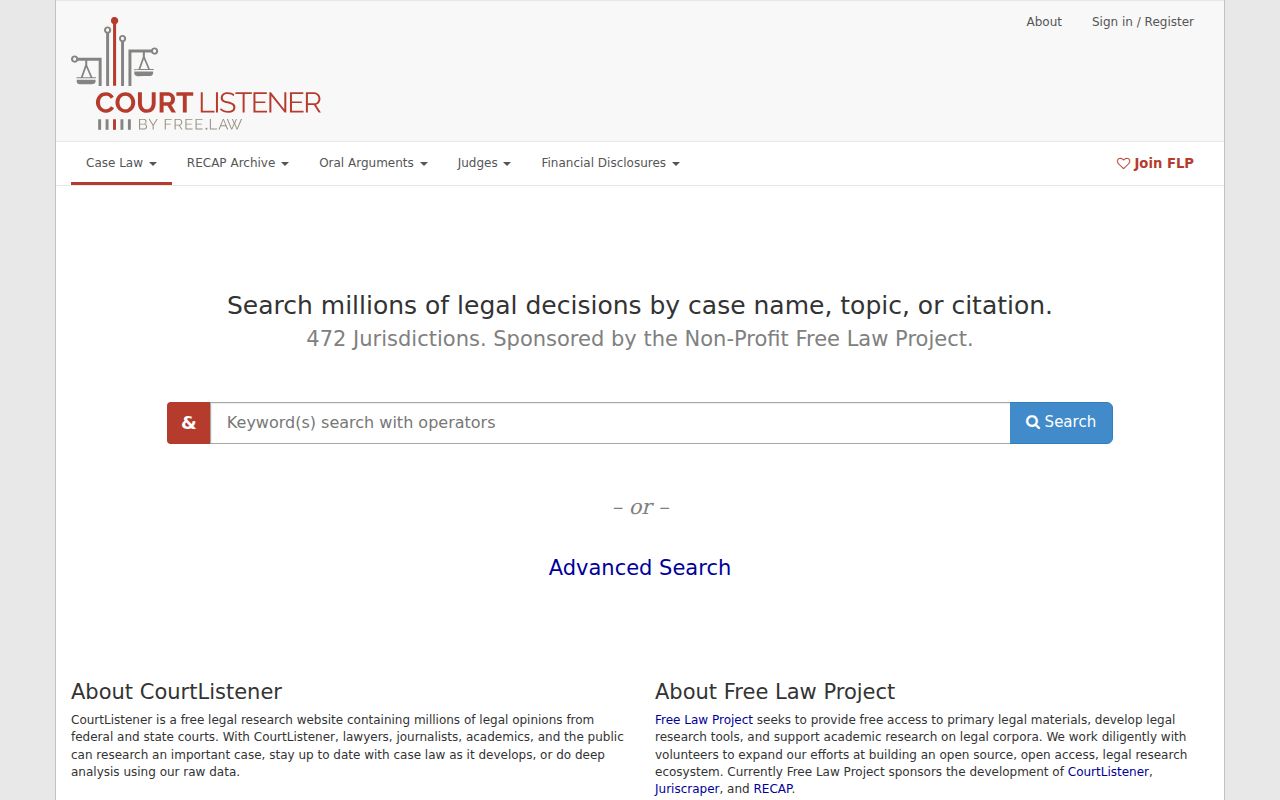
CourtListener and RECAP may offer free copies of federal docket material already contributed to that collection.
Access Rules for Court Records
Uniform Superior Court Rule 21 sets the general public-access framework for court records. Sealing still requires the prescribed court process. The rule does not turn every item in every file into an unrestricted web document. Juvenile matters, sealed filings, protected personal data, and materials restricted by other law may be withheld or redacted. A case can stay visible in the docket. One document behind it can still be sealed.
Key Rules:
Uniform Superior Court Rule 21 sets the court process for limiting access to court records.
Georgia Open Records Act explains access and fees for agency records, but the proper court clerk remains the custodian of court files.
Georgia judicial-security guidance describes restrictions on certain judicial personal information.
When a Richmond County court record is absent online, ask the clerk a direct question. Is it paper-only, archived, misrouted, redacted, confidential, or sealed? The clerk can state the request path. What the clerk cannot do is give legal advice or lift a seal. Restricted material may require authorized status or a court order.
Older Richmond Court Record Files
Richmond’s record system mixes paper files, older case-management data, and current electronic tools. The clerk’s attorney-access form names ICON. Approved attorneys could use it to view docket data and case images. Today’s public landing still points toward local case management. Neither source proves that every old case image is online. For an older matter, start with the clerk. Give the court, the case number if known, party names, and a date range. Ask whether the file is paper, archived, or in an older electronic system. Richmond publishes no retention schedule, microfilm price, or public-terminal inventory. Ask the clerk to confirm a retrieval plan. That beats assuming a blank web result means destruction.